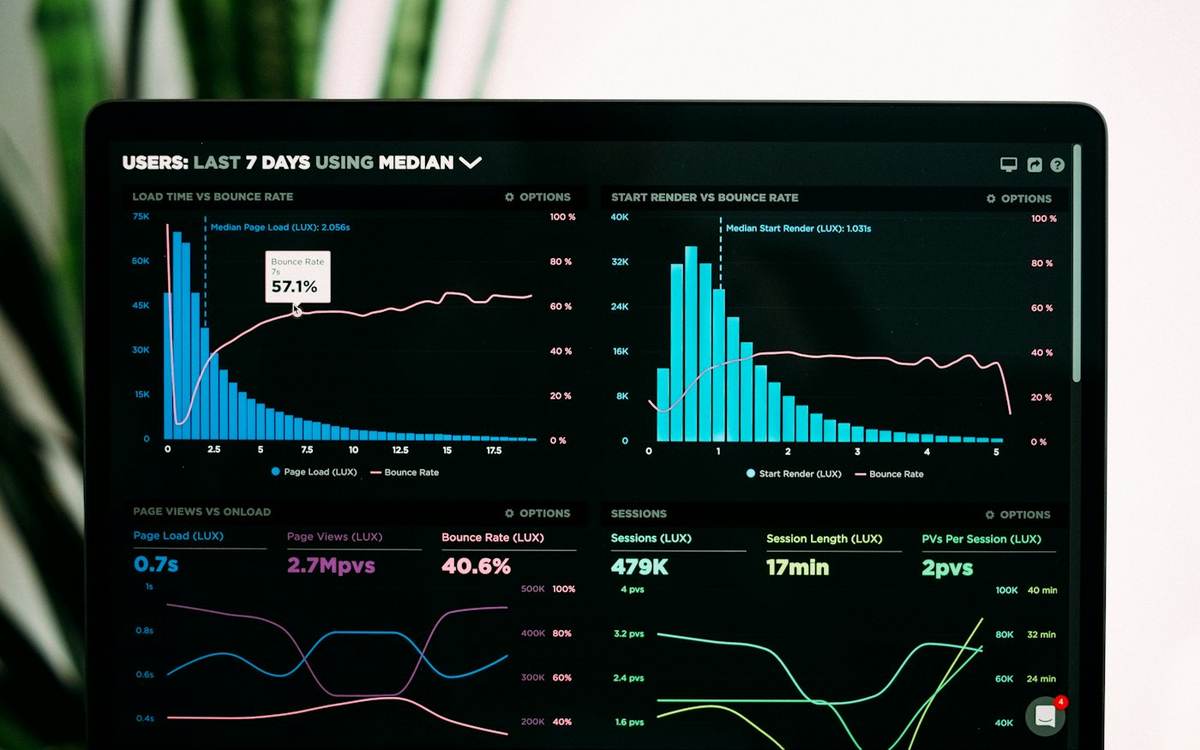



The convergence of artificial intelligence and Software-as-a-Service is creating a new category of intelligent business applications that learn, adapt, and automate complex processes. This synergy is transforming how businesses operate and compete in increasingly digital markets.
AI-enhanced SaaS products move beyond simple automation to provide predictive insights, personalized experiences, and autonomous operation. Machine learning models analyze usage patterns to suggest optimizations, natural language processing enables conversational interfaces, and computer vision automates document processing and quality control.
Architectural Considerations
Building AI-powered SaaS applications requires careful architectural planning. The integration of AI capabilities must maintain the scalability, reliability, and security expected from enterprise SaaS solutions. Microservices architectures often separate AI components, allowing for independent scaling and updating of machine learning models. The underlying multi-tenant architecture patterns become especially important when AI features amplify the noisy-neighbor risk.
Data management becomes increasingly complex when AI is involved. Training data must be collected, labeled, and versioned, while inference data requires efficient processing and storage. Privacy-preserving techniques like federated learning and differential privacy help balance model improvement with data protection requirements.
Implementation Challenges
Model management presents significant operational challenges. SaaS providers must handle model versioning, A/B testing, rollback procedures, and performance monitoring. The infrastructure for training, deployment, and inference must be robust and cost-effective, especially when serving multiple tenants with different requirements.
Ethical AI implementation is particularly important in multi-tenant SaaS environments. Fairness, transparency, and accountability must be designed into the system from the beginning. Techniques like explainable AI, bias detection, and human-in-the-loop workflows help maintain trust and compliance across diverse customer bases.
The most successful AI-SaaS integrations focus on solving specific business problems rather than implementing AI for its own sake. By starting with clear use cases and measurable outcomes, companies can deliver tangible value while gradually expanding their AI capabilities.
Choosing Between Hosted and Custom Models
In 2026, the choice between using a hosted LLM API versus running a custom model has real cost implications at scale. Our breakdown of ChatGPT vs Claude vs Custom LLM walks through where each option pays back. For a primer on agent-style architectures, see How to Build an AI Agent for Your Business.
- AI-Powered SaaS
- Intelligent Business Software
- SaaS Automation India
- Machine Learning for Business
- AI Software Development
- Custom Business Applications