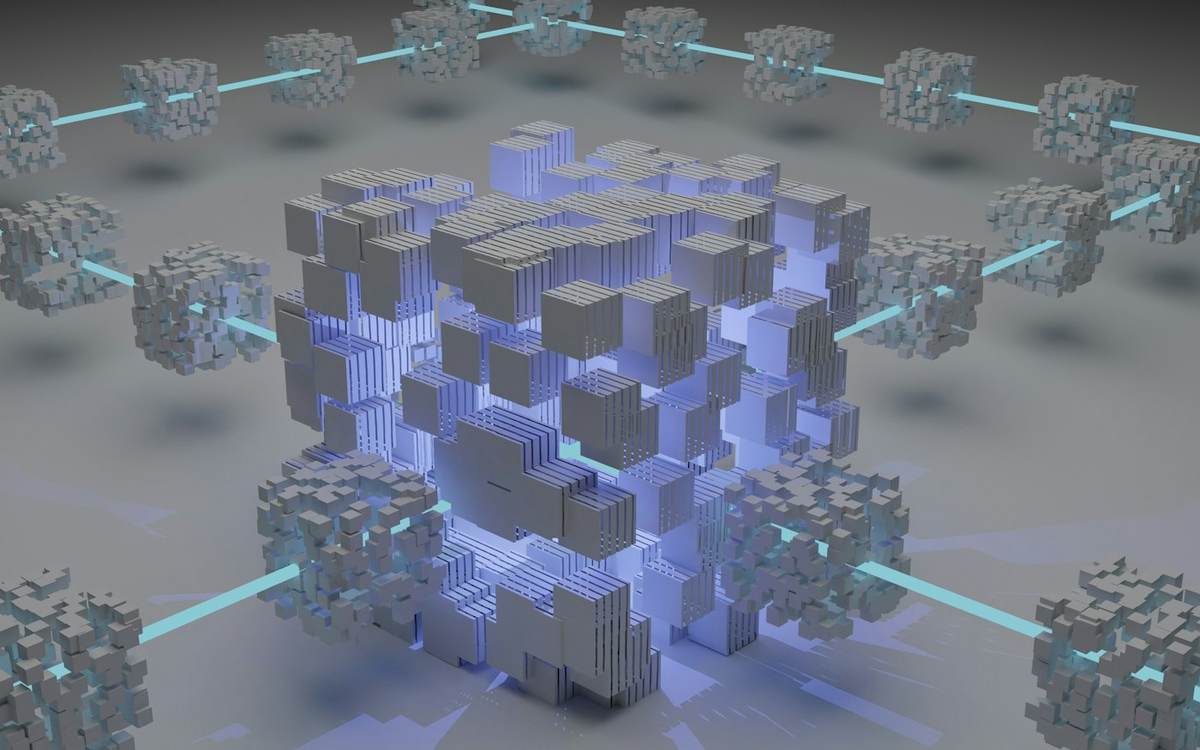



As blockchain technology matures, scalability has emerged as the critical challenge preventing mass adoption. The blockchain trilemma — balancing decentralization, security, and scalability — has driven innovation across multiple technical approaches, each with different trade-offs and use cases.
Layer 2 solutions represent one of the most promising approaches to scalability. These systems handle transactions off-chain while leveraging the main blockchain for security and finality. Rollups, in particular, have gained significant traction by bundling multiple transactions into single on-chain verifications.
Rollup Technologies
Optimistic rollups assume transactions are valid by default and only run computation in case of challenges. This approach maximizes throughput but introduces challenge periods during which funds cannot be immediately withdrawn. ZK-rollups use cryptographic proofs to verify transaction validity instantly, providing faster finality but requiring more complex computation.
Both approaches continue to evolve, with hybrid solutions emerging that combine their advantages. The ecosystem is also developing standards for cross-rollup communication and shared security models that maintain composability between different layer 2 solutions.
Alternative Scaling Approaches
Sharding takes a different approach by partitioning the blockchain into multiple parallel chains that process transactions independently. This horizontal scaling method requires sophisticated cross-shard communication protocols and coordination mechanisms. Several major blockchain platforms are implementing sharding as their primary scaling strategy.
Alternative consensus mechanisms like proof-of-stake, delegated proof-of-stake, and proof-of-history offer different trade-offs between throughput, decentralization, and security. These innovations are enabling orders-of-magnitude improvements in transaction capacity while maintaining adequate security guarantees. The economic security implications are detailed in Cryptoeconomics and Tokenomics.
The future likely involves heterogeneous multi-chain ecosystems where different scaling solutions coexist and interoperate. Standards like cross-chain communication protocols and shared security models are crucial for maintaining composability across this fragmented landscape. The broader Web3 stack is covered in Web3 and the Decentralized Future.
- Blockchain
- Scalability
- Layer 2
- Rollups
- Sharding